Application fit review
Material samples, part size, finish requirements, and cycle expectations are reviewed before machine class is discussed. This keeps the recommendation attached to the actual work rather than to a generic model tier.
Service is not treated as a last-minute warranty line. For Trotec buyers, it begins when a team first compares materials, machine envelope, laser source, extraction, training needs, and maintenance expectations.
The result is a calmer purchase path for fabrication managers, operations leads, sign shops, and procurement teams that need a machine to fit the work already moving through the building.
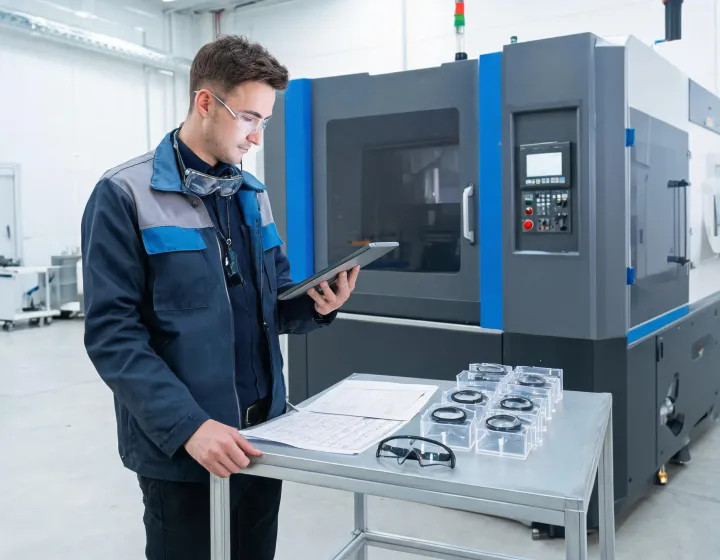
Trotec service conversations are organized so each buyer can see which decision belongs to engineering, which belongs to operations, and which belongs to procurement. That separation reduces late surprises and keeps teams from buying a machine that only works on paper.
Material samples, part size, finish requirements, and cycle expectations are reviewed before machine class is discussed. This keeps the recommendation attached to the actual work rather than to a generic model tier.
Site readiness, extraction, operator access, table loading, and file flow are checked early, so installation can move from delivery to useful production with fewer avoidable delays.
Training focuses on safe routines, repeatable setup, lens care, material notes, and practical troubleshooting rather than overwhelming new users with disconnected theory.
After launch, service records, application updates, consumable planning, and maintenance intervals help the machine stay useful as product mix and staffing change.
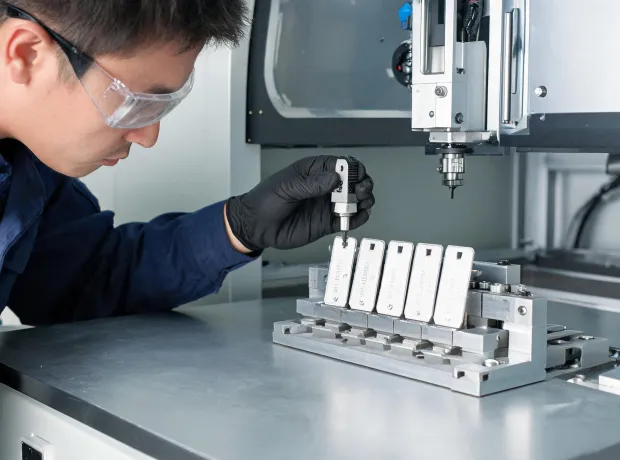
A supplier of instrument plates needed repeatable engraving across changing batches. The service review documented fixture positions, focus checks, and source behavior for coated aluminum and stainless tags. Instead of relying on one experienced operator, the team gained a settings record that could be followed by shift staff after training.
The improvement was not only speed. It was predictability. Scrap dropped because the first article process became visible, and procurement could justify the equipment with a service plan that matched the real staffing model.
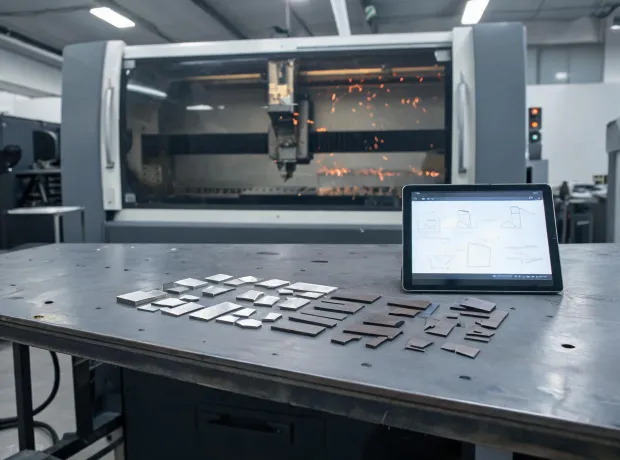
For a fabrication buyer comparing a compact cutter and a larger bed, the service conversation separated maximum advertised capacity from the thicknesses used every week. Table access, gas handling, operator loading, and downstream finishing were weighed together so the selected system supported current orders and foreseeable growth.
This is the kind of practical service structure that reliable partners expect: clear tradeoffs, no inflated promise, and enough detail for the purchasing team to defend the choice.
Send the material, target part, output expectation, and any current bottleneck. The response can help your team compare cutting, engraving, fiber, and CO2 options with fewer assumptions.